
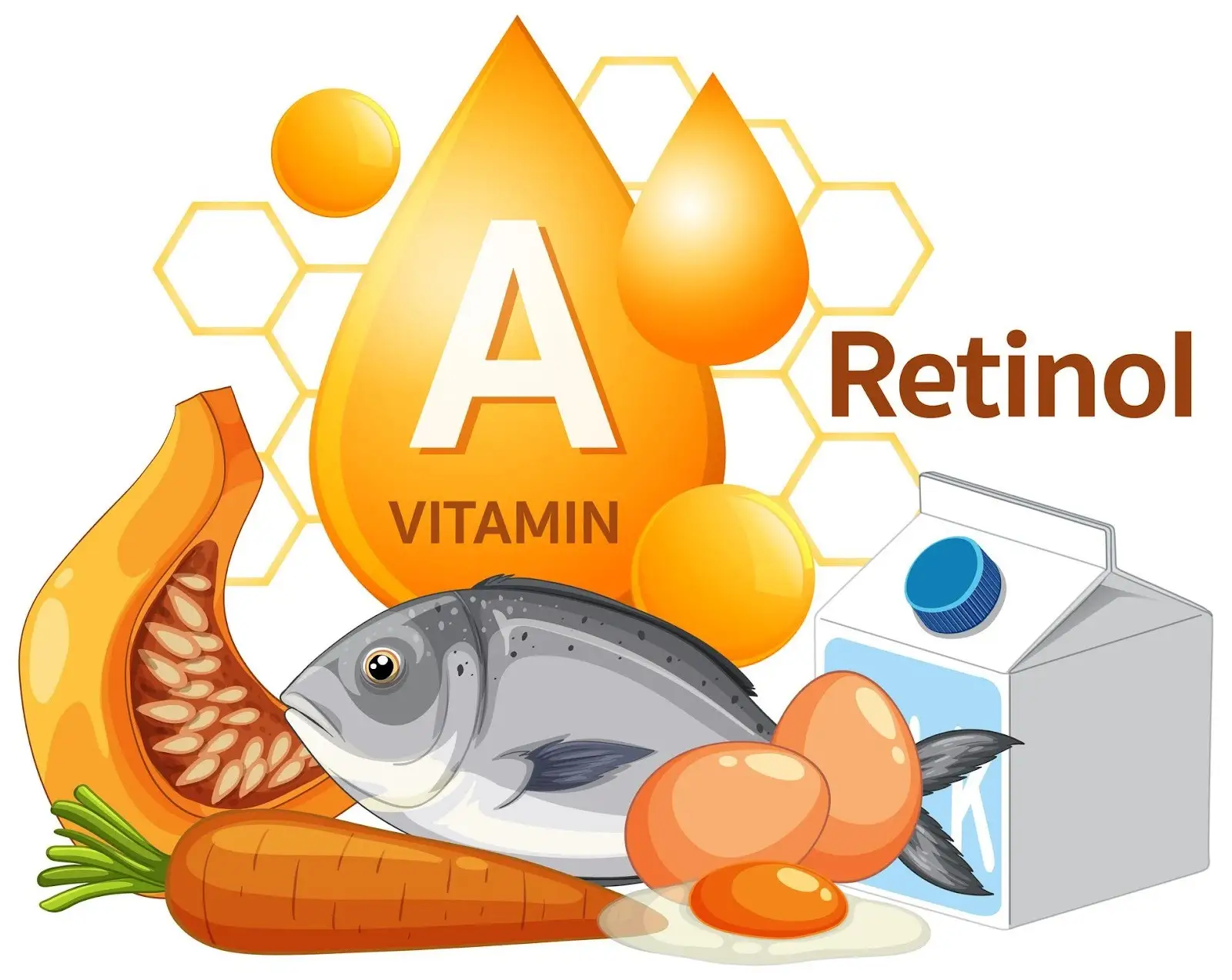

Vitamin A might sound like just another letter in the nutrition alphabet, but don’t let its simple name fool you. This vitamin is a powerhouse. From helping you see clearly at night to keeping your immune system alert like a well-trained guard dog, vitamin A plays roles that quietly keep your body running smoothly. In this guide, we’ll break down vitamin A properties and sources in plain English, so you know exactly why it matters and how to get enough of it.
What Is Vitamin A?
Vitamin A is a fat-soluble vitamin essential for normal vision, immune defense, reproduction, and cellular communication. Because it’s fat-soluble, your body stores it in the liver rather than flushing it out quickly.
Fat-Soluble Nature of Vitamin A
Unlike vitamin C, vitamin A sticks around. It dissolves in fat, which means it’s absorbed better when eaten with healthy fats and stored for later use.
Why Vitamin A Is Essential
Think of vitamin A as a multitool. One nutrient, many jobs—eyes, skin, immunity, growth—all depend on it.
Chemical Forms of Vitamin A
Vitamin A comes in two main dietary forms, each with unique properties.
Retinoids (Preformed Vitamin A)
These are found in animal-based foods and are readily usable by the body.
Retinol: The most active dietary form, often stored in the liver.
Retinal: Crucial for vision, especially in low-light conditions.
Retinoic Acid: Supports cell growth and differentiation.
Carotenoids (Provitamin A)
Found in colorful fruits and vegetables, these need to be converted into vitamin A.
Beta-Carotene: The most efficient and well-known carotenoid.
Alpha-Carotene: Less potent but still valuable.
Beta-Cryptoxanthin: Common in citrus fruits and peppers.
Key Properties of Vitamin A
Solubility and Storage
Vitamin A is fat-soluble and stored mainly in the liver, making regular—but not excessive—intake important.
Stability and Sensitivity
It’s sensitive to heat, light, and oxygen. Overcooking can reduce its potency.
Absorption Characteristics
Absorption improves when consumed with dietary fats like olive oil or avocado.
Biological Functions of Vitamin A
Vision and Eye Health
Vitamin A is essential for forming rhodopsin, a pigment that allows the eyes to see in dim light.
Immune System Support
It strengthens barriers like skin and mucous membranes while supporting white blood cell function.
Skin and Epithelial Health
It promotes skin cell turnover, keeping skin smooth and resilient.
Growth and Development
Vitamin A supports bone growth and normal development during pregnancy and childhood.
Reproductive Health
It plays a role in sperm production and fetal development.
Role of Vitamin A in Vision
Night Vision Mechanism
Without vitamin A, your eyes struggle to adjust to darkness.
Prevention of Night Blindness
Adequate intake helps prevent one of the earliest signs of deficiency: night blindness.
Vitamin A and Immune Function
Infection Resistance
Vitamin A helps your body respond faster to infections.
Anti-Inflammatory Role
It regulates immune responses, preventing overreaction.
Vitamin A for Skin, Hair, and Mucous Membranes
Vitamin A keeps skin cells healthy, supports scalp health, and maintains moist linings in the nose, mouth, and lungs.
Dietary Sources of Vitamin A
While whole foods should always be the primary source of nutrients, some people struggle to meet their daily vitamin needs through diet alone. In such cases, fruit and vegetable-based supplements like Balance of Nature can help bridge nutritional gaps by providing plant-derived micronutrients that support overall wellness when used alongside a balanced diet.
Animal-Based Sources
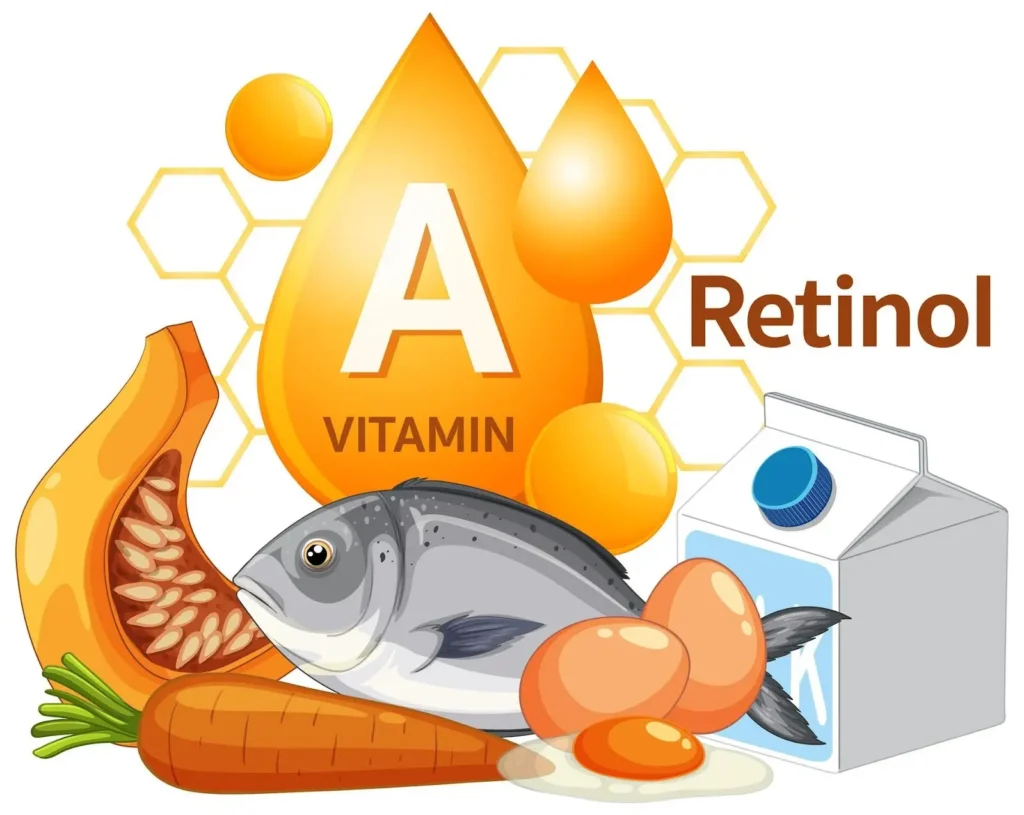
These provide preformed vitamin A, which is easily absorbed.
Plant-Based Sources
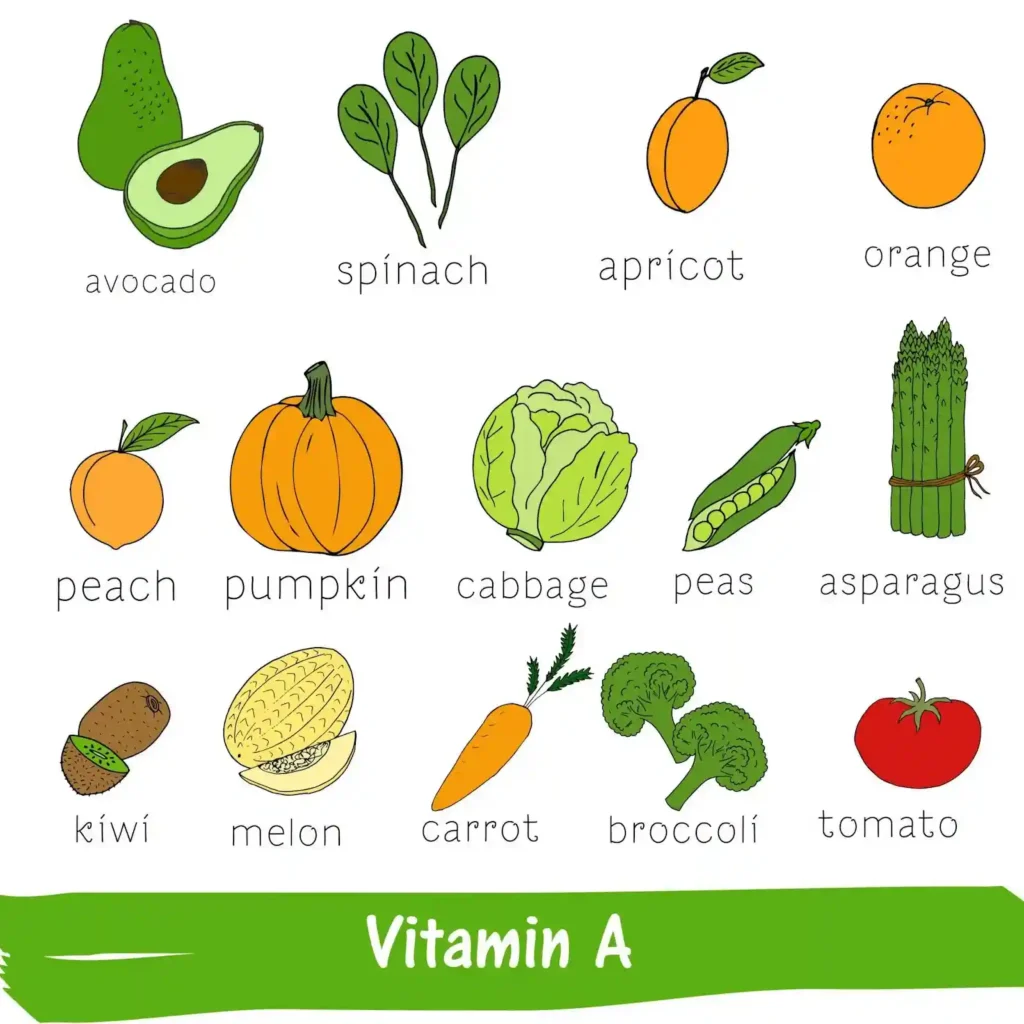
These supply carotenoids that the body converts as needed.
Top Food Sources of Vitamin A
- Liver and fish liver oils
- Eggs and dairy products
- Carrots, sweet potatoes, pumpkin
- Spinach, kale, and other leafy greens
- Mangoes, papaya, and apricots
Recommended Daily Intake of Vitamin A
- Adult men: ~900 mcg RAE
- Adult women: ~700 mcg RAE
- Needs increase during pregnancy and breastfeeding
Vitamin A Deficiency
Causes: Poor diet, fat malabsorption, or liver disorders.
Symptoms: Night blindness, dry eyes, frequent infections, rough skin.
At-Risk Groups: Children, pregnant women, and people with digestive disorders.
Vitamin A Toxicity (Hypervitaminosis A)
Causes: Excessive supplement use or high intake of animal liver.
Symptoms and Risks: Headache, nausea, bone pain, liver damage.
Vitamin A Supplements: Do You Need Them?
Most people meet their needs through food. Supplements should be used cautiously and ideally under medical guidance.
Cooking, Storage, and Bioavailability Tips
Light cooking improves carotenoid absorption, but overcooking destroys vitamin A. Pair vegetables with fats for better uptake.
Vitamin A vs Beta-Carotene
Beta-carotene is safer because the body converts only what it needs, while excess retinol can be toxic.
Conclusion
Vitamin A is one of those quiet achievers in nutrition—rarely in the spotlight, but absolutely essential. Understanding vitamin A properties and sources helps you make smarter food choices, protect your vision, boost immunity, and support long-term health. Balance is the key: eat a colorful, varied diet and let food do the heavy lifting.
FAQs
1. Is vitamin A good for eyesight?
Yes, it’s essential for night vision and overall eye health.
2. Can I get enough vitamin A from vegetables alone?
Yes, through carotenoid-rich vegetables if your diet includes healthy fats.
3. What happens if I take too much vitamin A?
Excess can cause toxicity, especially from supplements.
4. Is beta-carotene safer than retinol?
Yes, the body naturally regulates beta-carotene conversion.
5. Does cooking destroy vitamin A?
Overcooking can reduce it, but light cooking improves absorption.